

Continued Growth in Energy Production
According to a new report from the U.S. Energy Information Administration (EIA), total energy production in the United States increased to a new record of 107 quadrillion British thermal units (quads) in 2025, a 3.4 percent increase from the previous record set in 2024. This was the fourth consecutive year in which the United States set a record for total energy production.
(The EIA converts sources of energy to common units of heat, called British thermal units, to compare different types of energy that are usually measured in units that are not directly comparable, such as barrels of crude oil and cubic feet of natural gas.)
Total production was driven by record-high production in natural gas, crude oil, natural gas plant liquids (NGPLs), and renewables.
Natural Gas: Dry natural gas production grew more than four percent from 2024 to a record-high 39 trillion cubic feet in 2025, with most of the growth occurring in the Appalachia, Permian, and Haynesville regions. Natural gas has been the largest source of U.S. domestic energy production since 2011, and the U.S. has been the largest natural gas producer in the world since 2011.
Crude Oil: Crude oil production also set a record 13.6 million barrels per day in 2025 and grew by three percent, or 350,000 barrels per day, compared with the previous record set in 2024. Most of that growth occurred in the Permian region of western Texas and southeastern New Mexico. Crude oil accounted for 26 percent of domestic energy production, and the U.S. remained the largest crude oil producer in the world.
Natural Gas Plant Liquids (NGPLs): Production of NGPLs, which are hydrocarbons separated as liquids during natural gas processing, grew seven percent to a record four trillion cubic feet in 2025, compared with the previous record set in 2024. In 2025, NGPLs accounted for nine percent of domestic energy production. NGPL production has grown every year since 2005 as natural gas production and processing have increased.
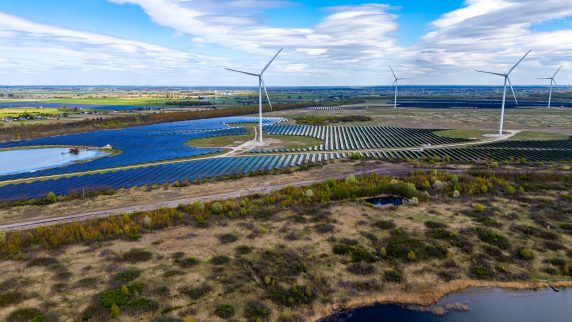
Renewables: Renewable energy production grew by three percent from 2024 to a new record, the fifth consecutive year of growth. Solar and wind both set records for energy production as new generators came online. Geothermal, hydroelectric, and wood and waste energy production remained steady from 2024 to 2025. Biofuels production, which had grown in four consecutive years, declined slightly.
Coal: Coal accounted for ten percent of domestic energy production in 2025. It increased by four percent from 2024 levels to 533 million short tons in 2025 after two years of declining production.