

Walking away from BEAD doesn’t walk away from the pole work
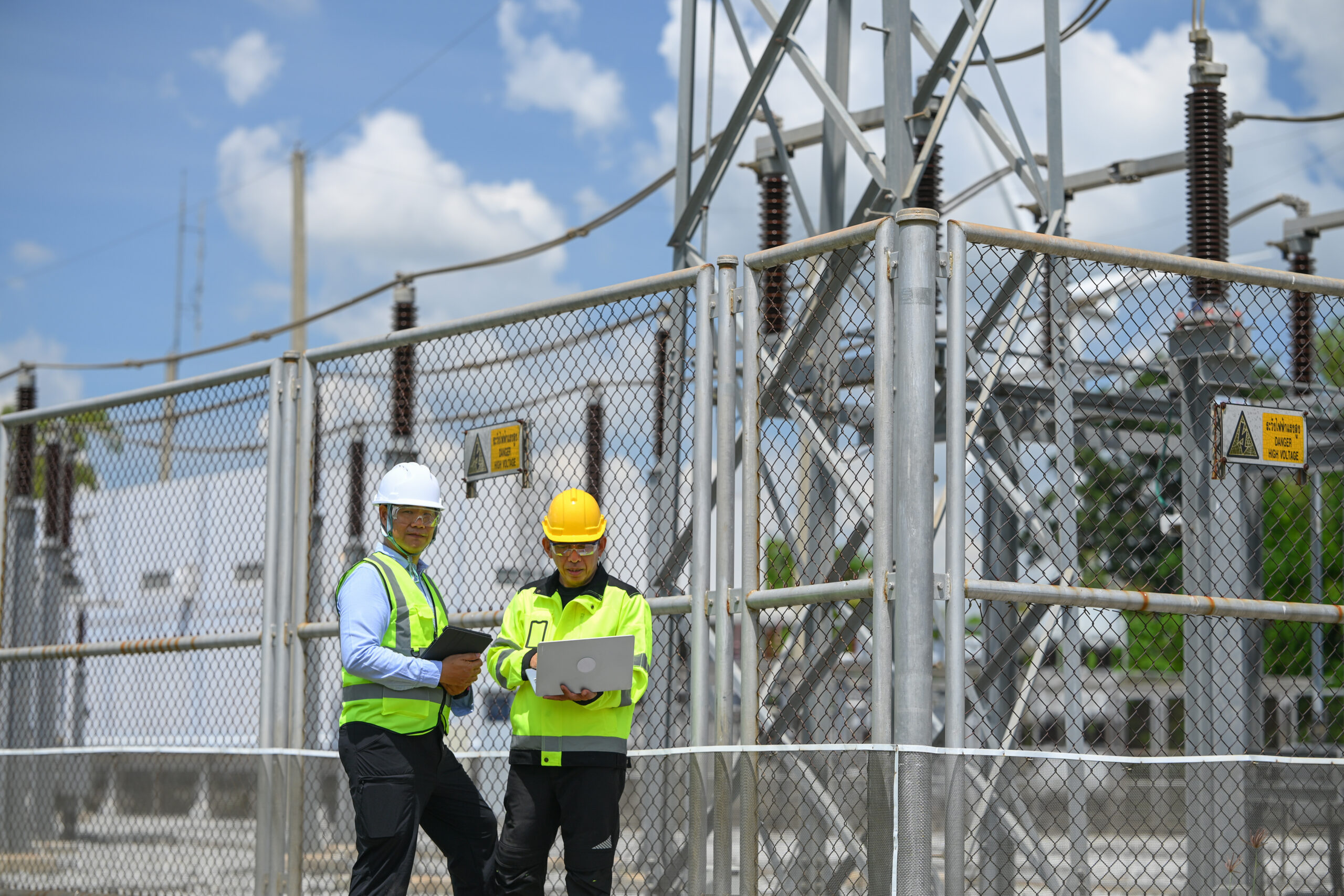
Twenty Cooperatives Walked Away From BEAD. Here Is What That Means for Round Two.
On September 16, NRECA wrote to Commerce Secretary Howard Lutnick with a number that should change how every cooperative board thinks about the next round of BEAD. Of the 63 electric cooperatives across 27 states that received provisional BEAD awards, 20 have withdrawn. Many others are considering it.
The reason cited most often was not construction cost. It was the pole attachment conditions attached to participation.
Why the pole condition broke the deal
For an investor-owned ISP, a pole attachment condition is a line in a grant agreement. For an electric cooperative, it is something else entirely.
Cooperatives are statutorily exempt from FCC pole attachment regulation. A condition requiring a subgrantee to follow FCC pole rules anyway does not stop at the broadband subsidiary. It reaches the distribution system, the joint use agreements already in place with incumbent attachers, and the rate structure the cooperative uses to recover the cost of carrying someone else’s facilities on its poles.
That is why the decision keeps landing back on the electric side of the house. The same board that votes on the broadband award also owns the poles. Accepting the condition for one project can set a precedent for every attachment request that follows.
NRECA has asked NTIA to remove what it calls extra-statutory mandates, raise the program cost thresholds to reflect equipment and labor increases, and raise the Build America Buy America de minimis cap of one million dollars per project. The association noted that fiber prices from at least one supplier rose 40 percent in August alone.
The supplemental round math that is not in most board packets
NTIA has opened a supplemental round to fill the locations left behind by withdrawals and defaults. An analysis by the Advanced Communications Law and Policy Institute at New York Law School puts roughly 1.04 million locations on that list, with somewhere between 5.3 and 8.8 billion dollars likely to flow to deployment.
Then comes the number that should govern your engineering spend. According to that analysis, low Earth orbit satellite service is available at about 99.8 percent of the locations on the supplemental list, and unlicensed fixed wireless at roughly 15 percent. Fewer than 3,000 locations on the entire list have no challengeable technology of any kind.
Any of those locations can be struck from the eligible list by a provider who challenges it with evidence of existing service. Which means a cooperative that spends six figures on detailed design for a supplemental bid is spending it on a footprint that can shrink substantially before an award is ever made.
Withdrawing does not make the work go away
Here is the part that gets missed in the relief of saying no.
If your cooperative declines a BEAD award, those homes do not stop needing service. Someone else bids them, or a fixed wireless or satellite provider claims them. In the first case, that provider applies to attach to your poles. In the second, you still have the engineering question of what your own members expect from you.
The pole attachment workload is not a function of whether you take the grant. It is a function of how much fiber is going to be strung in your service territory over the next five years, and the answer to that is the same either way.
Five things worth doing in the next 90 days
- Scope engineering so it survives the funding decision. High level route design, location counts, and budgetary estimates hold their value whether the money comes from BEAD, USDA, a state program, or your own capital plan. Detailed design keyed to one program’s rules does not.
- Price the pole condition as an electric system cost. Put a number on what following FCC timelines and rate methodology would mean for your make-ready queue and your existing joint use agreements, then decide.
- Run the challenge exposure before you bid. If a target area is well covered by LEO or unlicensed fixed wireless on the current FCC data, know that before you commission design work on it.
- Keep your designs shelf ready. Finley has worked this way with broadband clients since 2014. Clients who had high level designs and maps already finished only needed to update pricing when a program opened, rather than starting from nothing against a 60 day deadline.
- Separate the make-ready question from the funding question. Your poles will carry more fiber regardless of who pays for the build. Knowing your pole inventory, loading, and available space is useful in every scenario.
Where Finley fits
Finley sits on the engineering side of this, not the subgrantee side. We prepare feasibility studies, high level network designs and budgets, and grant and loan applications for cooperatives and municipalities, and we have done it across many federal and state programs since 2014. On the electric side, our joint use services, pole inspection, pole loading analysis, and make-ready engineering touch the same poles the BEAD conditions reach.
That overlap is the point. Most firms see either the grant or the pole. The cooperatives making the best decisions right now are looking at both in the same meeting.
For more on building the planning discipline that makes any funding program easier to act on, see our whitepaper on the importance of long-term planning.