

MISO Wants to Fast Track Generation That Serves Load at the Same Substation. Here Is What Your Co-op Should Do About It.
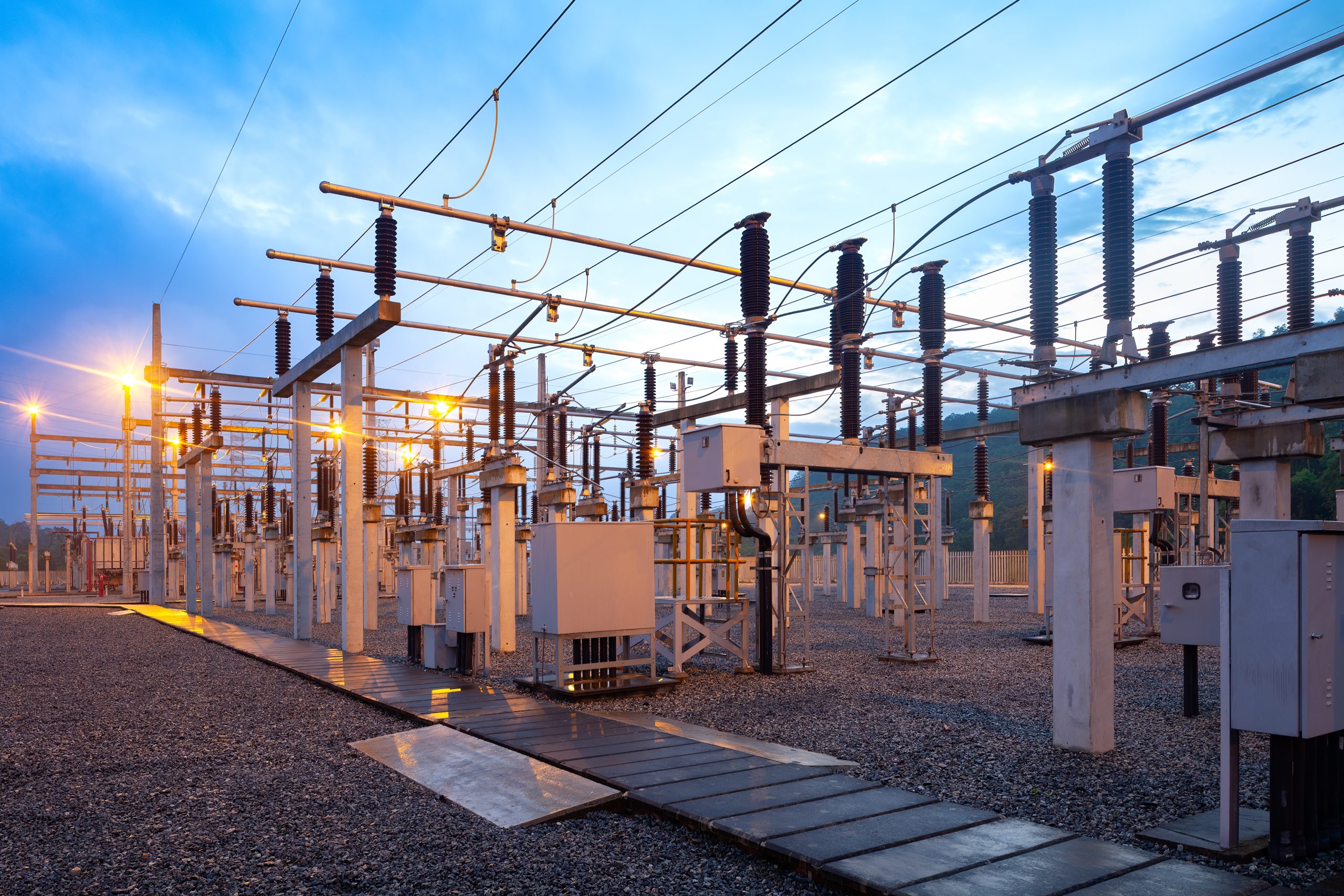
A developer walks into your office holding a 90 day study window, and the pressure to say yes starts immediately. MISO’s proposed Zero Injection Generator Interconnection Agreement could speed up how large loads like data centers connect, but the fine print lands on your side of the meter. Before FERC rules, cooperatives and municipal utilities need answers to four questions that decide whether a fast approval becomes a good deal or an expensive surprise, including one risk to crew safety that most utilities miss.
Read the article to see what to check before you send your first capacity letter.
On August 18, MISO filed a proposal at FERC that deserves more attention from distribution cooperatives and municipal utilities than it is getting.
The proposal creates a Zero Injection Generator Interconnection Agreement. In plain terms, it would offer a 90 day review for a generation project that serves a large load at the same substation and at the same voltage level, provided the project has little or no effect on the transmission system. Two conditions do most of the work: 1) the generation project can have no more nameplate capacity than the load it serves; 2) it cannot require network upgrades beyond the substation, except for system protection facilities at the adjacent substation.
Large tech companies and utilities filed in support while clean energy and environmental advocates opposed the approach. FERC has not released a final ruling.
Why a distribution co-op should care about a transmission queue reform
Because the customer conversation shifts the moment this becomes available.
Today, when a data center developer or a large industrial prospect shows up in your service territory, the honest answer about timing is usually measured in years. If MISO’s framework is approved, that developer will walk into your office holding a printout of a 90 day study window. The pressure to say yes will be immediate and the fine print will be yours to manage.
Read those two conditions again. Both of them are substation questions. Both of them land on your side of the meter.
The four things to verify before you say yes
- Does the substation actually have the capacity? A zero injection arrangement does not create transformer capacity. If the load is 40 MW and your substation transformer is rated well below that with existing load already on it, the 90 day generator review does not help you. A substation capacity analysis answers this in weeks, not months, and it needs to happen before anyone signs anything.
- What happens to your protection scheme? Adding a generating source at the substation changes fault current contribution and can change the direction of fault current on the circuits leaving that substation. Relay settings that have been correct for fifteen years may no longer coordinate. The proposal itself anticipates this by carving out system protection facilities at the adjacent substation as an allowable upgrade. Assume you will need a short circuit study and a protective device coordination study, and budget the time for it.
- What is your arc flash exposure after the change? This is the one that gets missed. Increased available fault current at the substation raises incident energy downline. As Finley’s Christopher Smart, P.E. documented in our whitepaper on arc flash assessment timing, a system correctly labeled as a 4 cal system can become an 8 cal system with the change in available fault current. Your crews arc thermal protection gear is now in jeopardy. If you add a source, the arc flash assessment is not optional, and it should complete in conjunction with the protection work.
- What happens when the generator is not running? Zero injection means the project is not exporting to the grid. It does not mean the load disappears when the generator trips. Model the case where the on site generation is offline and the full load sits on your system. That load flow result is the real number your system has to carry, or you need a contract term that says otherwise.
The window is now, not after FERC rules
Getting ahead of this converts a reactive conversation into a planned one. A cooperative that already knows its substation capacity, its ATPV headroom, and its protection constraints can answer a developer in days. A cooperative starting from zero will either lose the project or accept terms that cost it later.
Finley performs substation capacity analysis, load flow and voltage drop studies, short circuit and protective device coordination studies, and arc flash assessments for cooperatives and municipal utilities. We can also take a project through engineering, procurement, and construction so the schedule burden does not sit on your engineering department.
If a large load prospect has contacted your utility in the last ninety days, call us before you send the first capacity letter. 800-225-9716.