

New Transformer Factories Are Being Built. Your Substation Schedule Still Needs to Assume Two to Three Years.
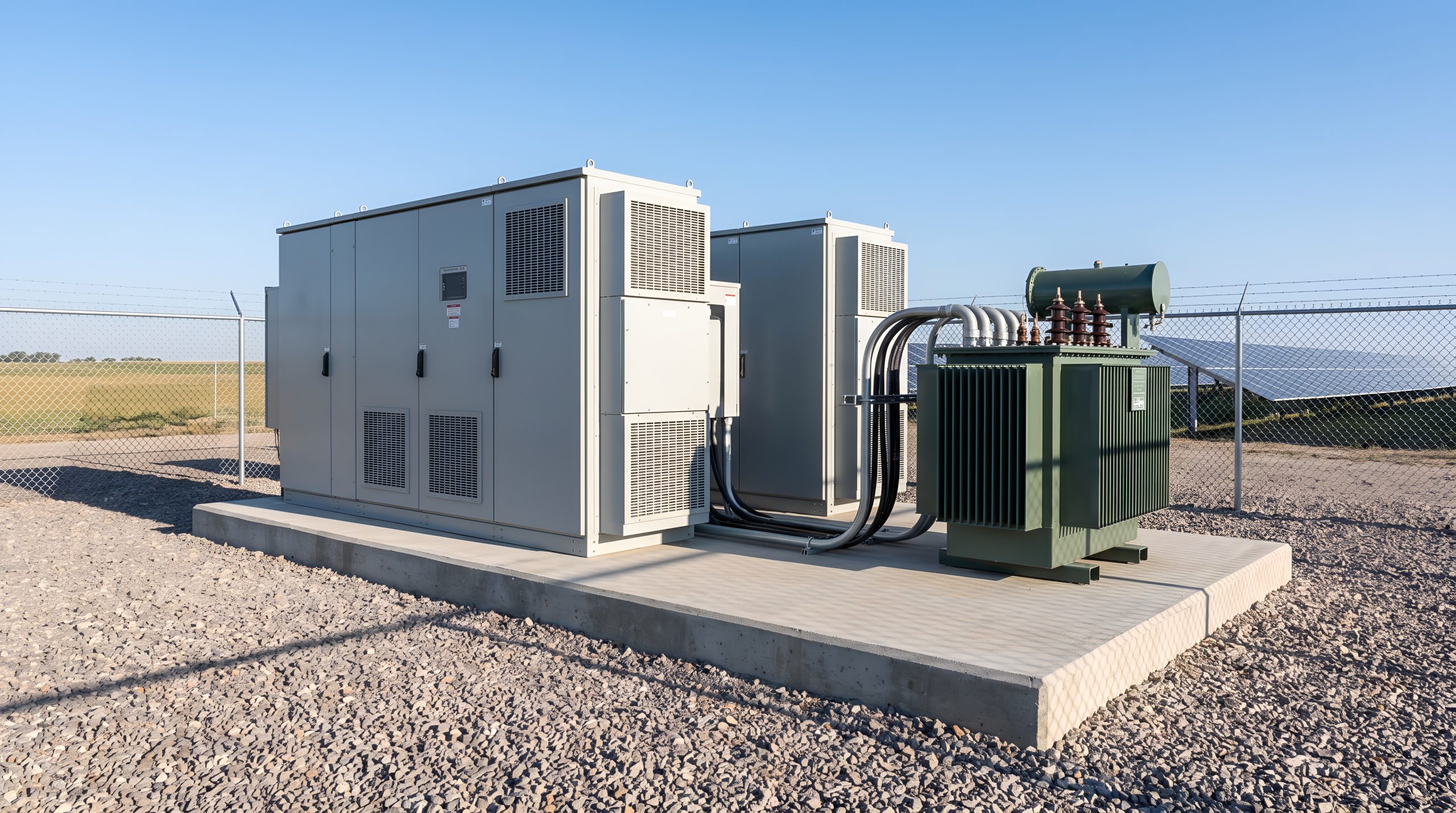 Major equipment manufacturers are expanding U.S. operations for the equipment utilities struggle to get, including transformers, circuit breakers, and high voltage cable, but published figures still show lead times of two to three years for power transformers and other equipment, and factories announced this year will not produce units this year. Read full article below >
There was good news in the trade press in early September. Major original equipment manufacturers are expanding United States operations for exactly the equipment utilities cannot get: transformers, circuit breakers, and high voltage cable.
However, here is the part that matters for your 2027 work plan. Published supply chain figures still put sustained lead times for power transformers and other equipment at two to three years. Factory expansions announced this year do not produce units this year. The queue in front of you is real and it is not shrinking yet.
The planning question is not whether the supply chain recovers. It is how you build a construction work plan that survives a two year procurement tail.
Procurement is now the critical path, and that changes how you plan
For thirty years the sequence was: identify the need, do the engineering, bid the material, complete the construction. Material was a line item, not a constraint.
That sequence is broken. When the transformer takes longer to arrive than the entire rest of the project takes to execute, procurement moves to the front of the schedule and everything arranges itself around it. Three consequences follow.
Your long range plan has to reach further than your comfort zone. A five year plan that identifies a substation transformer replacement in year four identifies it too late if the order takes two and a half years. In practice, anything requiring a large power transformer needs to be visible in the plan roughly three years ahead of the in service date, with the order placed well before construction design is complete.
Specification discipline pays for itself. The Department of Energy has pointed to the sheer number of distinct distribution transformer varieties across United States utilities as a factor in production delays. Every custom deviation in your specification is a reason your unit cannot be built on a standard line. Reviewing your standard specifications against what manufacturers can actually build quickly is unglamorous work; however, it holds a direct schedule payoff.
Second source willingness is a schedule tool. If your cooperative has a single supplier alliance, find out now whether you are permitted to buy outside it in a schedule emergency and what the approval path looks like. Discovering that answer during a restoration is expensive.
What to do when the lead time does not fit the need
Sometimes the load arrives before the equipment can. Evaluate a few options before you tell a member no.
Look at load transfer capability between substations. A load flow study often finds headroom reachable through switching that nobody has quantified recently. Look at whether mobile or temporary substation equipment can bridge the gap. Look at whether a phased build, energizing at a lower rating and upgrading later, gets service on sooner. Each has protection and arc flash implications to work through, but evaluation of options can turn a hard no into a yes we can.
The other move is to be early and honest. Tell a prospective large member what you can serve now, what it takes to serve their full request, and what the realistic date is. Cooperatives and municipal utilities lose more credibility by promising a date they cannot hit rather than by quoting a long one.
Where Finley fits
Finley builds construction work plans and long-range plans for cooperatives and municipal utilities, backed by load forecasting and load flow analysis. We perform sectionalizing studies, protective device coordination, and arc flash assessments.
If your current work plan was written before the lead time environment changed, it is worth a second look before the board approves next year’s capital. Call 800-225-9716.